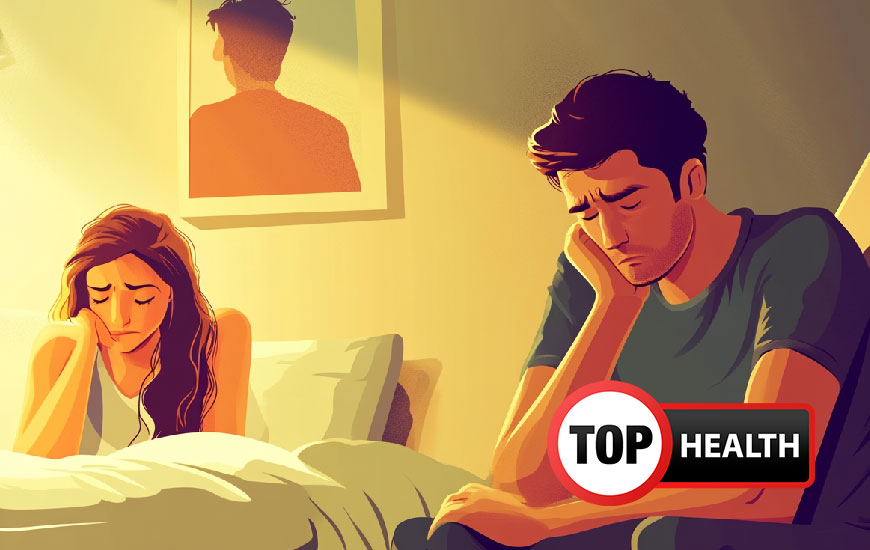
Let’s talk about something that many men experience but few feel comfortable discussing: erections that don’t last as long as you’d like.
If you’ve ever found yourself wondering, “Why does my erection go away so fast?” you’re not alone.
This is a very common issue, and it’s nothing to be ashamed of. It’s something that most men will deal with at some point in their lives.
The good news is that there are usually simple explanations for why this happens, and many of them are easy to address. In this article, we’ll break down seven common reasons why your erection might not last as long as you’d like. We’ll explain everything in a simple, comforting way so you can understand what’s going on and take steps to feel more confident.
1. Stress and Anxiety
Let’s start with one of the most common culprits: stress. Whether it’s work, relationships, or just life in general, stress can take a toll on your body—and your erections. When you’re stressed or anxious, your body releases a hormone called cortisol, which can interfere with the blood flow needed to maintain an erection.
Think of it like this: your brain is the control center for your erections. If your brain is busy worrying about other things, it might not send the right signals to keep things going downstairs. The more you stress about your performance, the harder it can be to stay hard. It’s a vicious cycle, but the first step to breaking it is understanding that it’s normal and nothing to be embarrassed about.
2. Fatigue and Lack of Sleep
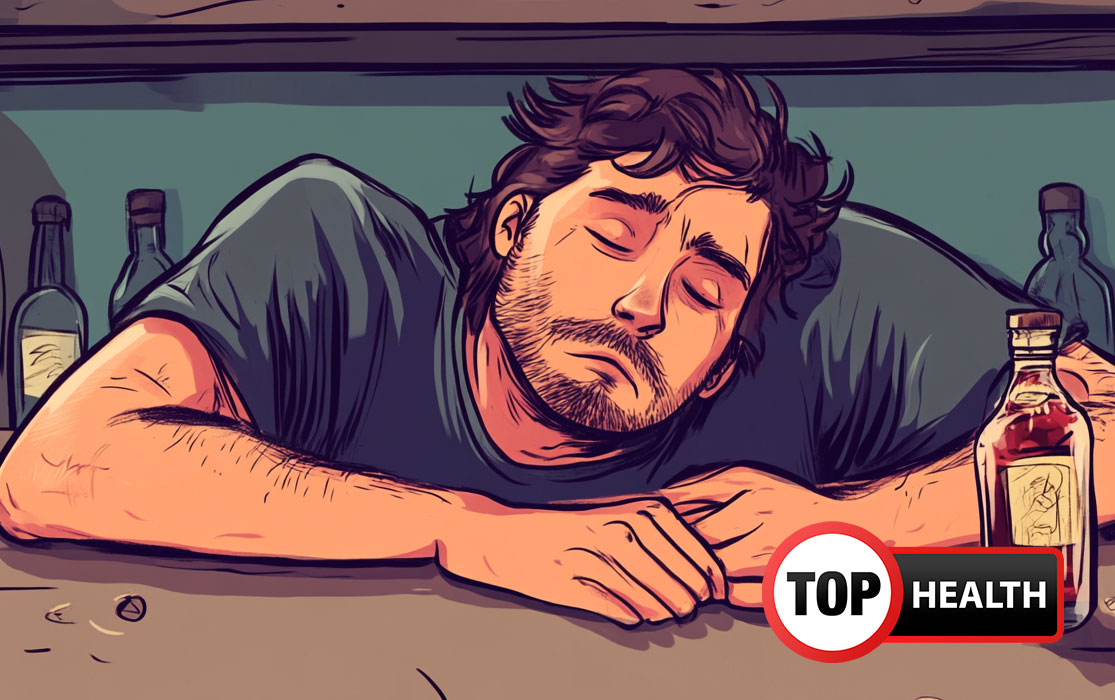
Your body needs energy for everything, including getting and maintaining an erection. If you’re not getting enough sleep or you’re constantly tired, your body might not have the energy it needs to perform.
Sleep is also crucial for hormone production, including testosterone, which plays a big role in sexual health. If you’re not sleeping well, your testosterone levels might drop, making it harder to keep an erection. So, if you’ve been burning the candle at both ends, it might be time to prioritize some rest.
3. Poor Blood Flow
Erections are all about blood flow. When you’re aroused, your brain sends signals to relax the blood vessels in your penis, allowing blood to flow in and create an erection. If something is interfering with that blood flow, your erection might not last as long.
Conditions like high blood pressure, high cholesterol, or diabetes can affect your blood vessels and make it harder to maintain an erection. Smoking and excessive alcohol consumption can also damage blood vessels over time. The good news? Improving your overall health—through diet, exercise, and quitting smoking—can make a big difference.
4. Low Testosterone
Testosterone is the hormone that fuels your sex drive and helps your body respond to sexual stimulation. As men age, testosterone levels naturally decline, which can lead to weaker or shorter-lasting erections.
Low testosterone can also cause other symptoms, like low energy, mood swings, and a reduced sex drive. If you think low testosterone might be an issue, it’s worth talking to a doctor. They can run a simple blood test to check your levels and recommend treatment if needed.
5. Performance Anxiety
This one ties back to stress, but it’s worth mentioning on its own. Performance anxiety is when you’re so worried about how you’ll perform in bed that it actually affects your ability to perform. It’s like your brain gets in its own way.
The truth is, that most men experience performance anxiety at some point. It’s completely normal, especially if you’re with a new partner or you’ve had a bad experience in the past. The key is to remind yourself that sex isn’t about perfection—it’s about connection and enjoyment. The more you can relax and focus on the moment, the better things will go.
6. Medications
Certain medications can have side effects that impact your erections. For example, antidepressants, blood pressure medications, and even some over-the-counter drugs can interfere with your ability to get or maintain an erection.
If you’ve noticed changes in your erections after starting a new medication, don’t panic. Talk to your doctor about what’s going on. They might be able to adjust your dosage or switch you to a different medication that doesn’t have the same side effects.
7. Porn Overuse
This one might surprise you, but watching too much porn can affect your erections. When you watch porn frequently, your brain gets used to a high level of stimulation. Over time, real-life situations might not feel as exciting, making it harder to stay aroused.
This doesn’t mean you need to give up porn entirely, but it might be worth cutting back if you’ve noticed it’s affecting your performance. Try focusing on real-life connections and experiences instead.
Final Thoughts: It’s More Common Than You Think
If you’ve ever felt embarrassed or frustrated about your erections not lasting as long as you’d like, remember this: you’re not alone. This is something that happens to almost every man at some point. It doesn’t mean there’s something wrong with you, and it doesn’t define your masculinity.
The most important thing is to approach the issue with kindness and curiosity. Pay attention to your body, make healthy lifestyle choices, and don’t be afraid to talk to a doctor if you’re concerned. Often, small changes can make a big difference.
At Top Health, we’re here to help you feel your best—both physically and mentally. Remember, your health is a journey, and it’s okay to ask for help along the way. You’ve got this!